

Expeditionary Logistics,
Joint Coordination,
Autonomous Flow
Defense logistics rarely stay inside the fence line
GoldenHour supports disconnected, intermittent, and limited (D‑DIL) environments across expeditionary missions, joint/coalition operations, maritime/littoral patrol, convoy and distribution, and air mobility nodes.
The goal:
Keep the flow of people, materiel, and autonomous systems moving—with human‑in‑the‑loop robotic‑AI and a resilient Telemetry Fabric aligned to PACE communications planning.
EXPLORE
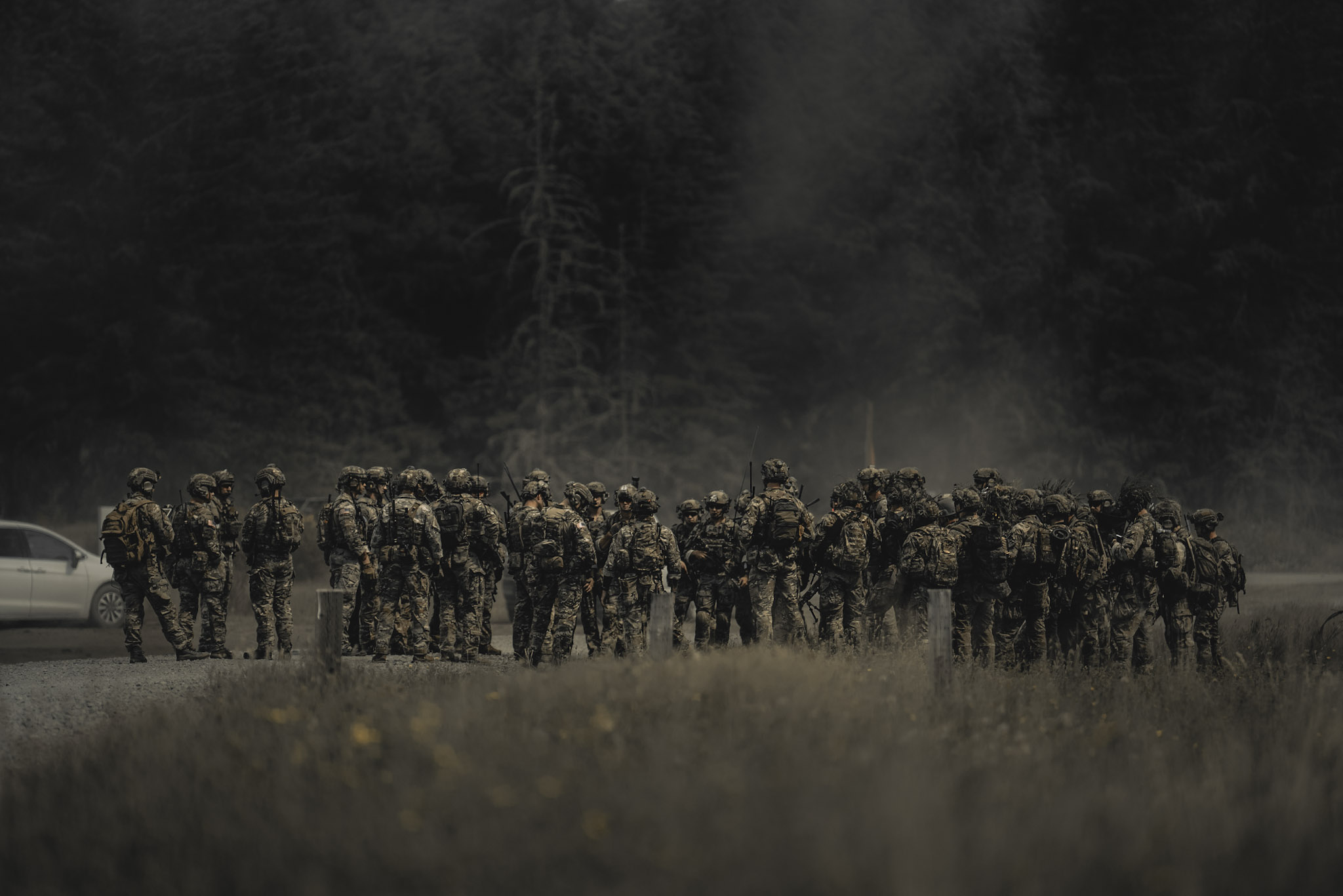
Expeditionary Logistics
FOWARD OPS
Expeditionary Logistics

USE CASE 1:
Expeditionary Logistics & Forward Ops
HOW IT WORKS:
- Portable Telemetry Fabric nodes extend comms across austere terrain; Decision Suite provides route health, ETAs, and hazard alerts; Golden Hour Exchange delivers rapid modules via our controlled pipeline.
WHO THIS IS FOR:
- Brigade support battalions
- expeditionary sustainment commands
- Marine logistics groups
- SOF support detachments

OPTIMIZATION AREAS
Class I/III/V distribution
forward refuel/rearm windows
CASEVAC/MEDEVAC triggers
pop‑up node coverage for transient FOBs

INTERAGENCY
COORDINATION
INTERAGENCY
USE CASE 2:
Joint/Coalition and Interagency Coordination
HOW IT WORKS:
- Open APIs and tenant‑scoped data partitions enable governed sharing; adapters connect to partner systems; Decision Suite provides language‑agnostic alerts and summaries.
WHO THIS IS FOR:
- JTF/JIIM planners
- civil‑military operations
- coalition partner forces
- DHS/USCG/DoD task forces
OPTIMIZATION AREAS
Common logistics picture across agencies
role‑based data sharing
cross‑org tasking and hand‑offs
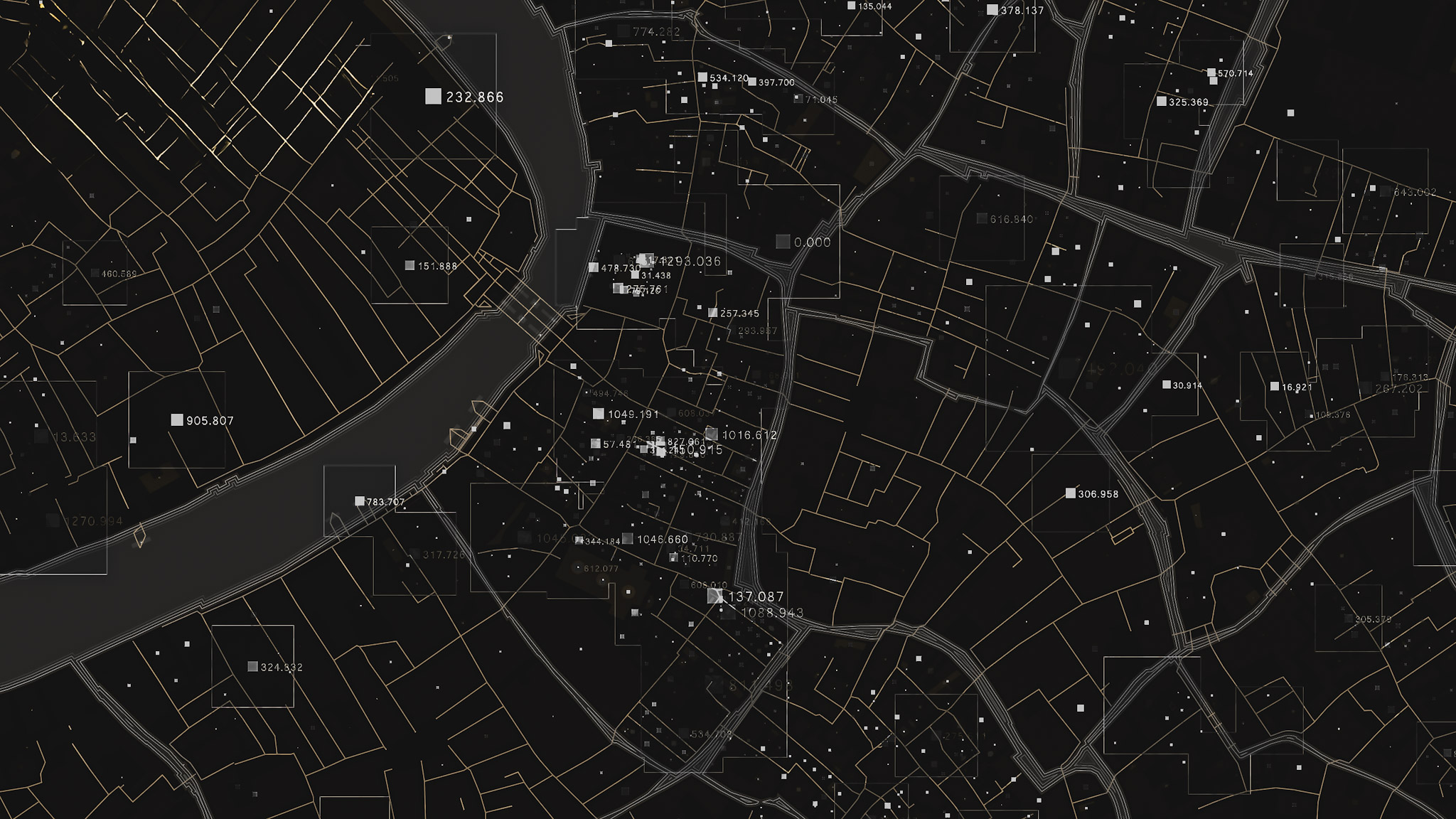
DISTRIBUTION
OPERATIONS
DISTRIBUTION
USE CASE 3:
Convoy and Distribution Operations
HOW IT WORKS:
- Vehicle trackers and handhelds publish to Telemetry Fabric; Decision Suite recommends reroutes and timing; Exchange‑delivered modules integrate with movement tables and customs/inspection workflows.
WHO THIS IS FOR:
- Movement control battalions
- ESCs
- Transportation brigades
- Seabees/engineer support
OPTIMIZATION AREAS
Route selection and re‑route under threat or weather
choke‑point throughput
dwell at SPOD/APOD/APOE/SPOE hand‑off points
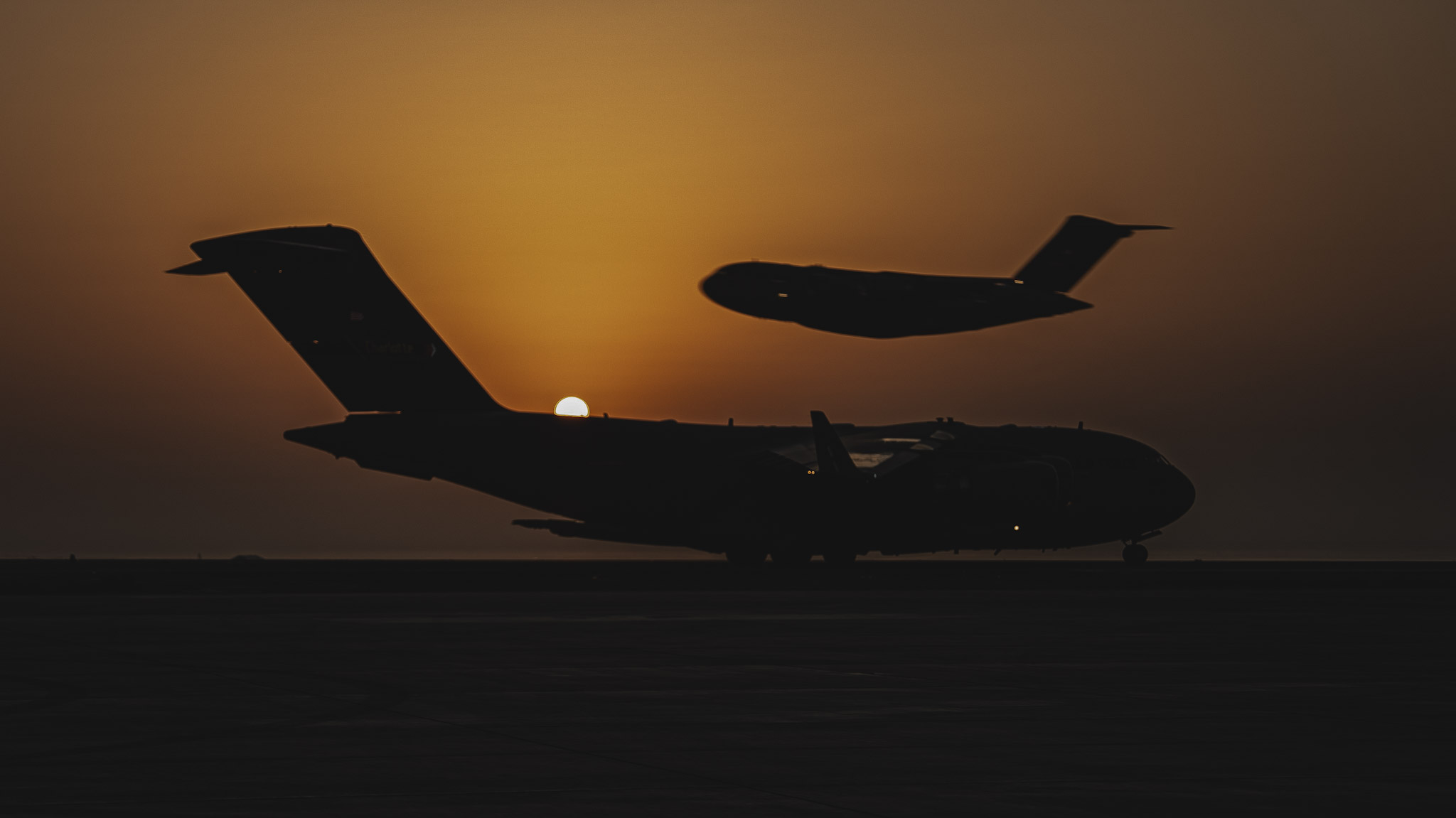
AIR AND SEA
MOBILITY
AIR AND SEA
USE CASE 4:
Air Mobility and Aerial/Sea Port Nodes
HOW IT WORKS:
- Edge nodes provide telemetry continuity on ramps and beaches; Decision Suite models queue impacts; certified connectors push metrics into ops dashboards.
WHO THIS IS FOR:
- AMC units
- aerial port squadrons
- JLOTS teams
- contingency response groups
OPTIMIZATION AREAS
MOG (max on ground)
RAMP FLOW
PALLET BUILD QUEUES
SPOD/APOD synchronization
GPS-DENIED VISIBILITY

MARITIME
INTERDICTION
MARITIME
USE Case 5:
Maritime/Littoral Patrol & Interdiction Support
HOW IT WORKS:
- Shoreline Telemetry Fabric bridges to SATCOM/backhaul; adapters ingest AIS/NMEA; DecisionSuite fuses state data for safer tasking and deconfliction.
WHO THIS IS FOR:
- USCG SECTORS
- Navy coastal riverine
- port security units
- harbor defense commanDS
OPTIMIZATION AREAS
Small‑boat tasking
channel safety
near‑shore USV telemetry
interdiction logistics support (fuel, spares, hand‑off)
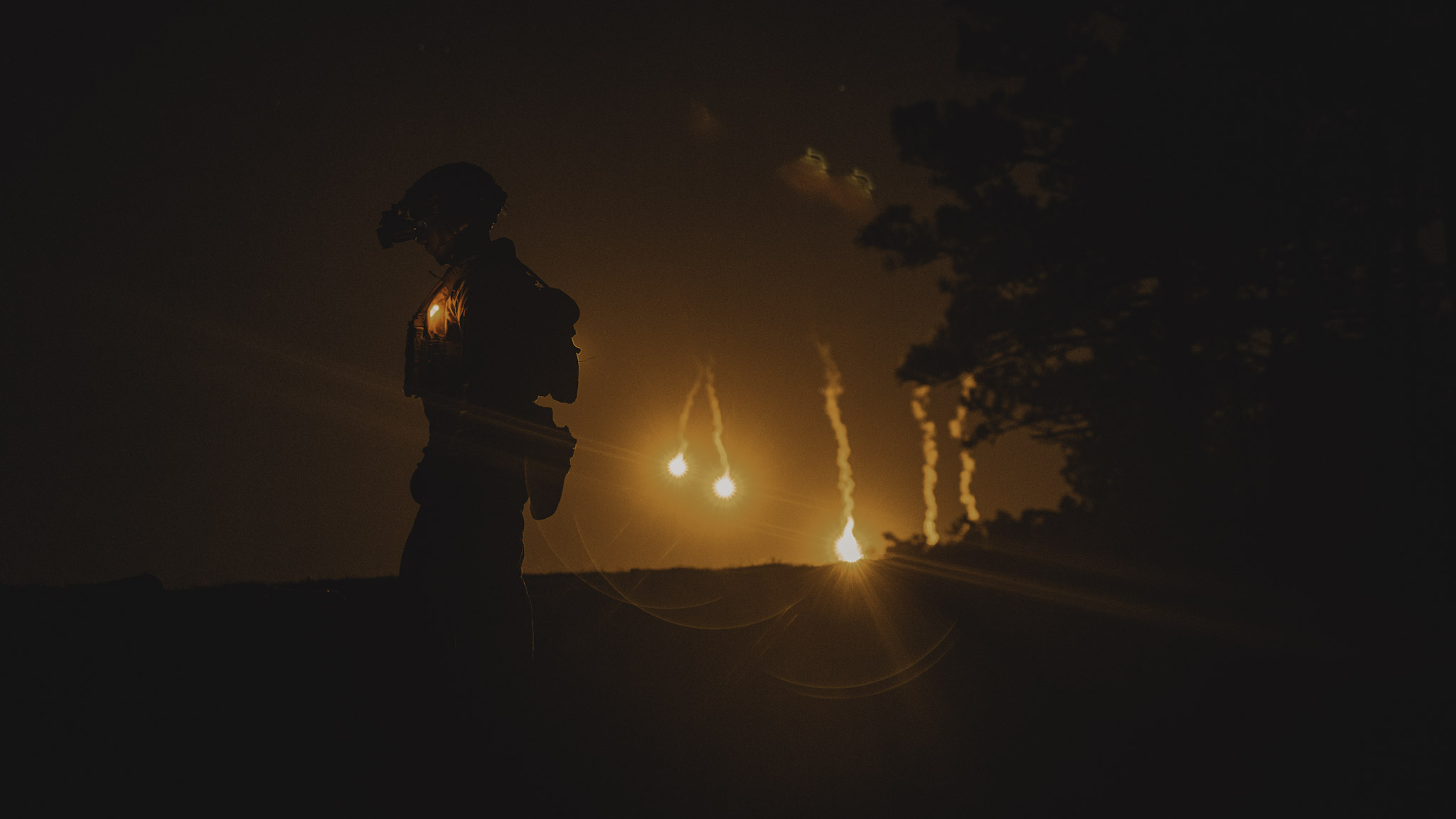
NON-KINETIC
SUPPORT
NON-KINETIC
use case 6:
Small‑Unit Support (Non‑Kinetic)
HOW IT WORKS:
- Pocketable nodes extend coverage; Decision Suite provides lightweight recommendations; connectors add integrations to TAK‑ecosystem tools where appropriate.
WHO THIS IS FOR:
- SOF and reconnaissance elements focused on movement
- RESUPPLY, RECOVERY, and deconfliction (non‑targeting)
OPTIMIZATION AREAS
Blue‑force logistics visibility
resupply windows
environmental hazard alerts
SOS continuity in denied areas